Looking to switch to solar but not sure how the connection process works? This guide explains, in simple steps, how to connect solar panels to your home and what you need to get started.
Switching to solar energy has become one of the easiest ways for homeowners to cut electricity bills and reduce dependence on the grid. As more people look for a reliable solar panel for their home, the biggest question they ask is how these panels actually connect to their house. The good news is that the process is simple when the proper steps are followed.
Today, rooftop solar panels are designed to work safely with your existing home wiring. Whether you are planning a small setup or a complete solar system for home, understanding the basics helps you make the right decision.
This guide breaks down the connection process in a clear and simple way, so you know what happens during a home solar installation and what to expect.
Can You Really Connect Solar Panels to Your Home?
Yes, you can. Modern solar panels for home use are designed to work smoothly with regular household electrical systems. When installed by certified solar panel installers, the setup is completely safe and follows all required guidelines. The panels generate electricity from sunlight, and this power is routed to your home via an inverter, making it ready for everyday use.
For homeowners, the key is to choose the right home solar installation approach. A professional installer checks your roof, studies your power needs, and ensures the system is connected correctly so your home gets uninterrupted, clean energy.
What You Need Before Connecting Solar Panels
Before the panels go up, your home needs a quick assessment to make sure everything is ready. Here’s what matters:
1. Roof Condition and Space
Your roof needs enough space and should be free from shade. A good surface and direction can improve the performance of your rooftop solar panels.
2. Choosing the Right Solar System Type
You can pick from:
The right choice depends on how much power you want to generate and whether you need backup.
3. Selecting the Best Residential Solar Panels
Different panels offer different efficiency levels. The goal is to pick panels that suit your budget and give steady output for years.
4. Basic Permissions
Some locations may need simple approvals before installation. Professional installers usually guide you through this.
How Solar Panels Are Connected to Your Home: Step-by-Step
Installing a solar panel system for household use follows a transparent, structured process. Here’s how professionals usually complete the setup:
1. Mounting the Solar Panels on the Roof
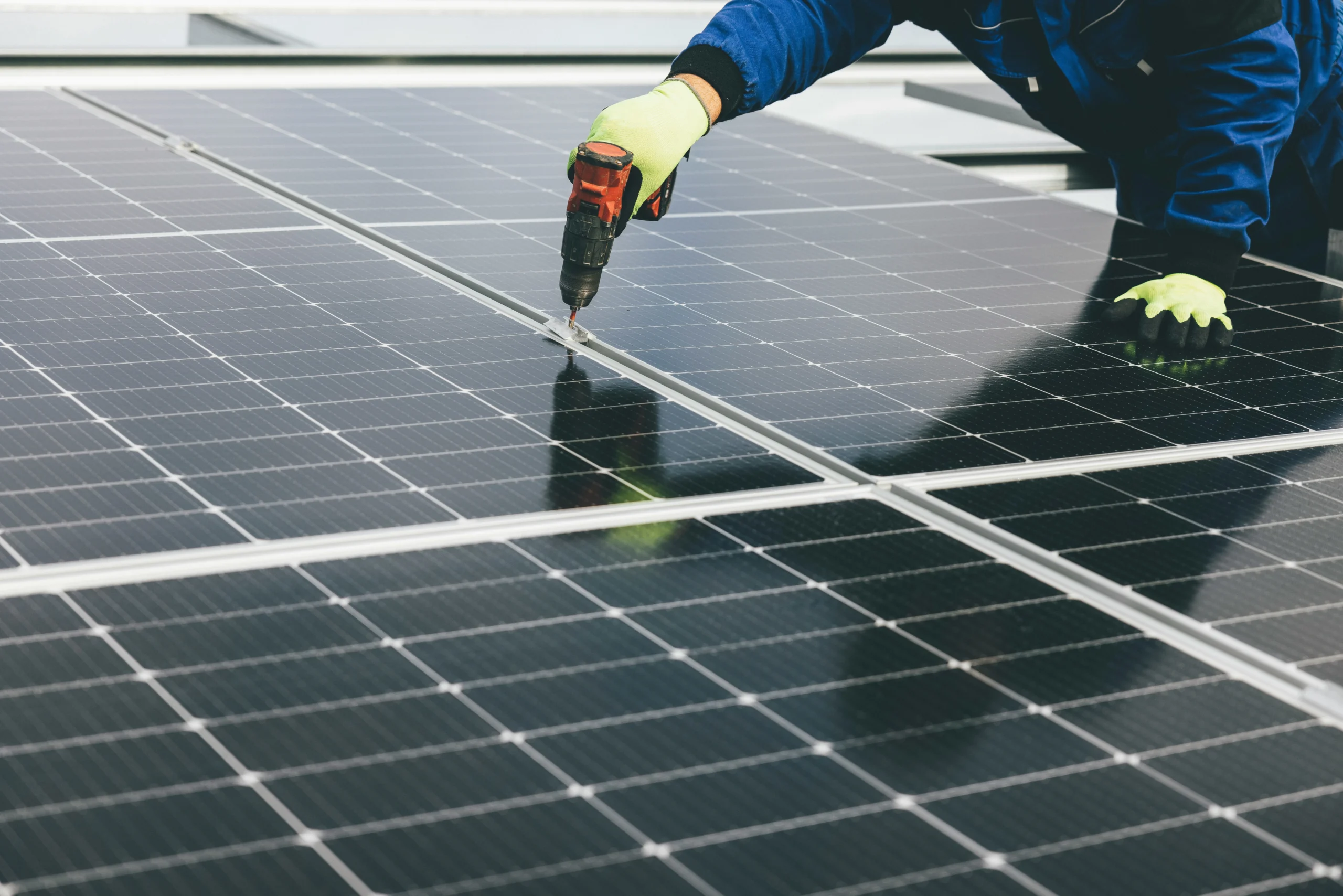
The first step is to fix the panels to the mounting structures on your roof. These frames hold the panels at the right angle so they get maximum sunlight. Proper mounting is vital for the safety and performance of rooftop solar panels.
2. Connecting the Panels with DC Wiring
Once the panels are fixed, they are linked together using DC cables. The wiring is done in series or parallel, depending on the type of residential solar systems needed. All connections are insulated and secured to prevent any damage.
3. Installing the Inverter
Solar panels produce DC power, but homes run on AC power. The inverter converts DC to AC so your home appliances can use it. This is one of the most essential parts of a solar panel system for house setup.
4. Setting Up the AC Distribution Box
The ACDB includes safety components like MCBs, fuses, and protection devices. This keeps your home safe and ensures a smooth flow of energy from the inverter to your main power line.
5. Grid Connection for On-Grid Systems
If you choose an on-grid solar system for home, your setup will be connected to the electricity grid. A net meter measures how much power you consume and how much you send back to the grid.
6. Final Testing and Power Integration
Once everything is connected, the installer runs a full test. After confirming that the system is stable and safe, the solar power starts flowing into your home. At this point, your appliances begin using clean energy from the sun.
How Much Does It Cost to Connect Solar Panels at Home?
The solar panel cost for home depends mainly on the size of the system you choose. Most homes install systems between 1kW and 5kW, and prices vary based on the panel type, inverter quality, wiring, and installation work.
A few factors that affect the final cost include:
- Number of panels required
- Type of inverter (basic or high-efficiency)
- Roof structure and mounting needs
- On-grid or off-grid setup
- Labour and installation quality
The initial cost might seem high, but you’ll save money on electricity bills in the long run. Many homeowners recoup their expenses in a few years by lowering their monthly energy use.
Choosing the Right Solar Panel Installers
Picking the right solar panel installers is one of the most essential steps in your solar journey. Skilled, certified installers ensure your system is safe, efficient, and correctly connected to your home.
Here’s what to look for:
- Experience in home solar installation
- Knowledge of net-metering and grid connection
- Clear guidance on panel placement and wiring
- Good after-sales support
- Warranty on components and installation
Reliable installers also help you choose the correct setup based on your power needs, whether you are planning a basic home solution or a higher-capacity system.
Closing Thoughts
Connecting solar panels to your home becomes easy when you understand the basic steps and choose the setup that matches your daily power needs. A good system runs safely, reduces your electricity bills, and provides long-term benefits without requiring much maintenance. With clean energy becoming a smarter choice for homeowners, installing a solar system for home is one of the most practical investments you can make today.
If you’re planning to switch to solar, taking support from a trusted professional makes the entire process smoother. This is where Energy Spoc can guide you with the right advice, transparent pricing, and reliable installation support. They assist homeowners in choosing suitable panels, understanding on-grid or off-grid options, and ensuring a safe and efficient setup. From helping you pick the right components to offering complete installation services, they make your move to solar simple and comfortable.