
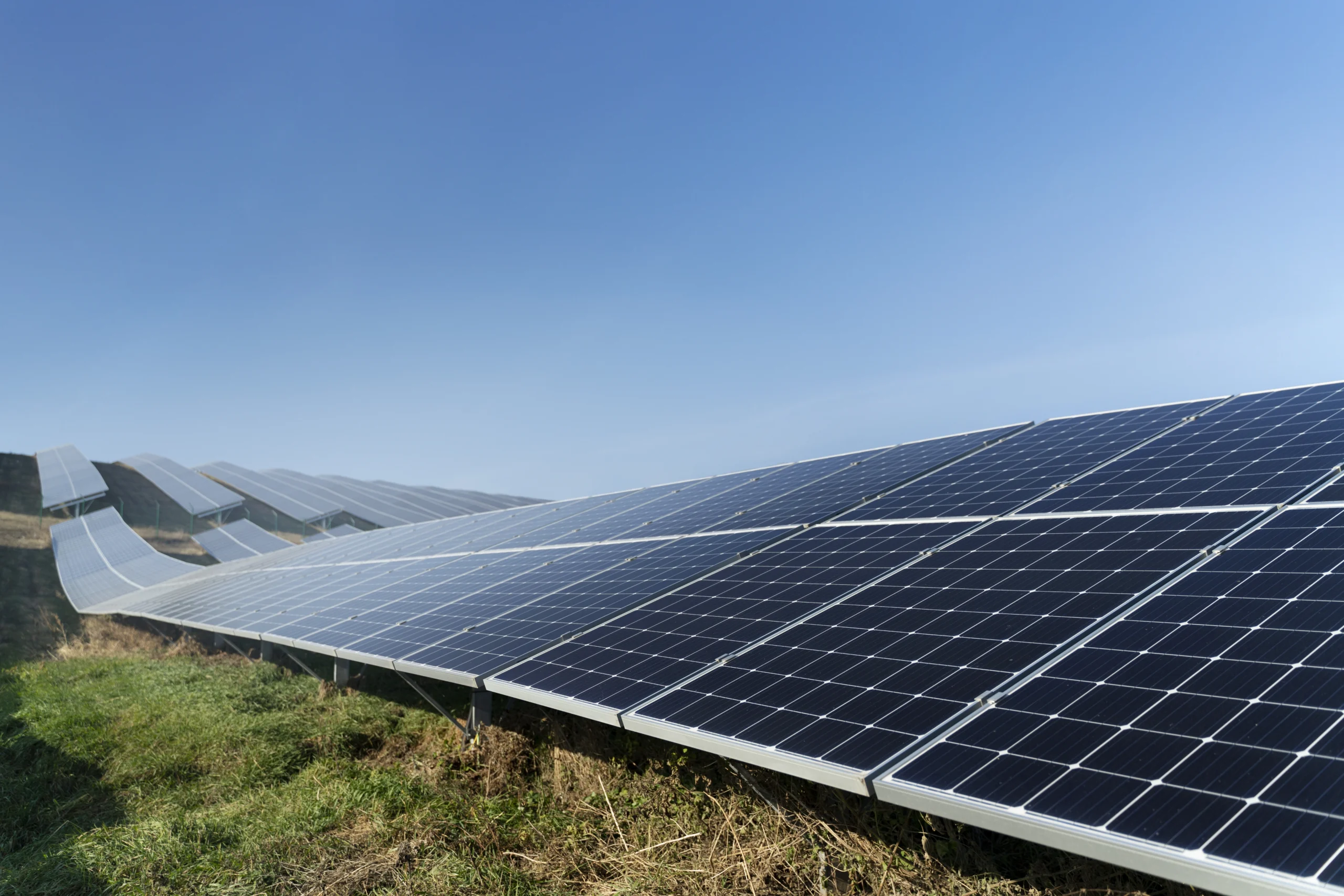
Thinking about switching to solar power? Before you begin, it’s important to understand the role of Solar EPC contractors. Solar EPC stands for Engineering, Procurement, and Construction, and it involves the comprehensive process of designing, sourcing, and installing your solar system.
In this detailed guide, we’ll answer all your questions about Solar EPC, from what it is, to how it benefits you, and how to choose the right contractor. This blog will cover the Solar EPC process step-by-step, provide cost insights, and answer the most commonly asked questions. By the end of this guide, you’ll have all the information you need to make an informed decision about your solar installation.
What is Solar EPC?
Solar EPC refers to the complete process that covers everything from system design, procurement of equipment, to installation and commissioning. It’s an all-in-one solution provided by contractors to manage the entire solar project. Here’s a breakdown of what Solar EPC involves:
- Engineering – Custom system design based on site evaluation and energy requirements.
- Procurement – Sourcing high-quality solar panels, inverters, and other components.
- Construction – Installing the system, including connecting to the grid, testing, and commissioning.
Why Do You Need a Solar EPC Contractor?
Here are several important reasons why hiring an EPC contractor is crucial for a successful solar installation:
- Expertise & Experience: Solar EPC contractors bring specialized knowledge, ensuring the system is designed and installed properly. This helps avoid costly mistakes that could affect performance.
- End-to-End Service: Hiring an EPC contractor means you don’t have to deal with multiple vendors. They manage the entire process, including site surveys, design, and installation, making it stress-free for you.
- Quality Assurance: A reputable EPC contractor will ensure that you get high-quality equipment, sourced from trusted manufacturers, and that your system is compliant with local regulations and standards.
- Cost Efficiency: Professional EPC contractors can save you money by negotiating the best prices for equipment and reducing installation time.
- Maintenance & Support: Post-installation support ensures the system runs efficiently. Most EPC contractors offer warranty services and ongoing monitoring.
The Solar EPC Process Explained
Step 1: Initial Consultation
Your journey begins with a detailed consultation. This is where you’ll discuss your energy needs, system preferences, and budget with the contractor. They will assess your site conditions, and based on this, design the solar system that suits you best.
Step 2: Site Survey & Design
After the consultation, a site survey is conducted. The EPC contractor will:
- Inspect your roof or land for structural integrity.
- Identify shading issues that could reduce efficiency.
- Determine the ideal orientation for solar panels.
- Calculate your energy needs and design a system that meets them.
Step 3: Procurement of Materials
Once the design is finalized, the contractor will procure the necessary equipment. This includes solar panels, inverters, mounting structures, and other electrical components. Trusted suppliers ensure high performance and durability.
Step 4: Installation
The next step is installation. A professional team of technicians will:
- Mount the panels on your roof or on the ground (if it’s a ground-mounted system).
- Install the inverters, electrical wiring, and other components.
- Connect the system to the grid or battery storage, depending on the type of system.
Step 5: Testing and Commissioning
Once the system is installed, the contractor will thoroughly test it to ensure it’s functioning properly. The system will be connected to net metering if you’ve opted for an on-grid system.
Step 6: Post-Installation Monitoring and Support
After the system is up and running, your EPC contractor may offer ongoing monitoring and maintenance. This ensures that your system performs at peak efficiency and remains operational for years to come.
How to Choose the Right Solar EPC Contractor
Choosing the right Solar EPC contractor is crucial to ensuring that your solar installation is successful. Here are some key factors to consider:
| Factor | Why It’s Important | What to Look For |
| Experience | Knowledge of various system types and local regulations. | At least 3-5 years of experience in solar system installations. |
| Reputation | Indicates reliability and customer satisfaction. | Positive customer reviews and testimonials. |
| Certification | Ensures compliance with industry standards. | NABCEP or other certifications and licensing. |
| Warranty | Guarantees long-term performance. | A warranty of at least 5 years for the system and 25 years for the panels. |
| Cost | Determines how affordable the project will be. | Transparent pricing with no hidden costs. |
| Post-Installation Support | Ensures the system stays functional. | Offers maintenance services and system monitoring. |
Cost of Hiring a Solar EPC Contractor in India
The cost of hiring a Solar EPC contractor depends on several factors, including the size of the system, equipment quality, and the complexity of the installation. On average:
- Residential systems (3-10 kW) range from ₹1,50,000 to ₹6,00,000.
- Commercial systems (10-100 kW) typically range from ₹6,00,000 to ₹20,00,000.
- Industrial systems (100 kW and above) can cost ₹20,00,000 or more.
Common FAQs about Solar EPC Contractors
Q1: What is an EPC contractor in solar?
An EPC contractor in solar refers to a company or professional that handles the engineering, procurement, and construction of a solar energy system.
Q2: How long does the EPC process take?
The process typically takes 2-3 months, depending on system size and weather conditions.
Q3: Can I install solar panels myself?
While it’s possible to do a DIY installation, it’s recommended to hire a professional EPC contractor to ensure the system is designed properly, installed safely, and meets regulatory standards.
Q4: What happens after my solar system is installed?
After installation, the EPC contractor will test the system, connect it to the grid, and provide you with monitoring tools for performance tracking.
Benefits of Choosing a Local Solar EPC Contractor in India
When choosing a Solar EPC contractor, opting for a local contractor has several advantages:
- Familiarity with local regulations and weather conditions.
- Faster installation timelines.
- Better customer support and easier communication.
Conclusion:
A Solar EPC contractor is your partner in making the transition to solar power seamless and stress-free. By hiring a trusted and experienced EPC contractor, you ensure that your system is designed, procured, and installed with the highest quality and efficiency.
If you’re ready to start your solar journey, contact a professional Solar EPC contractor today to maximize savings and benefit from renewable energy for years to come.