
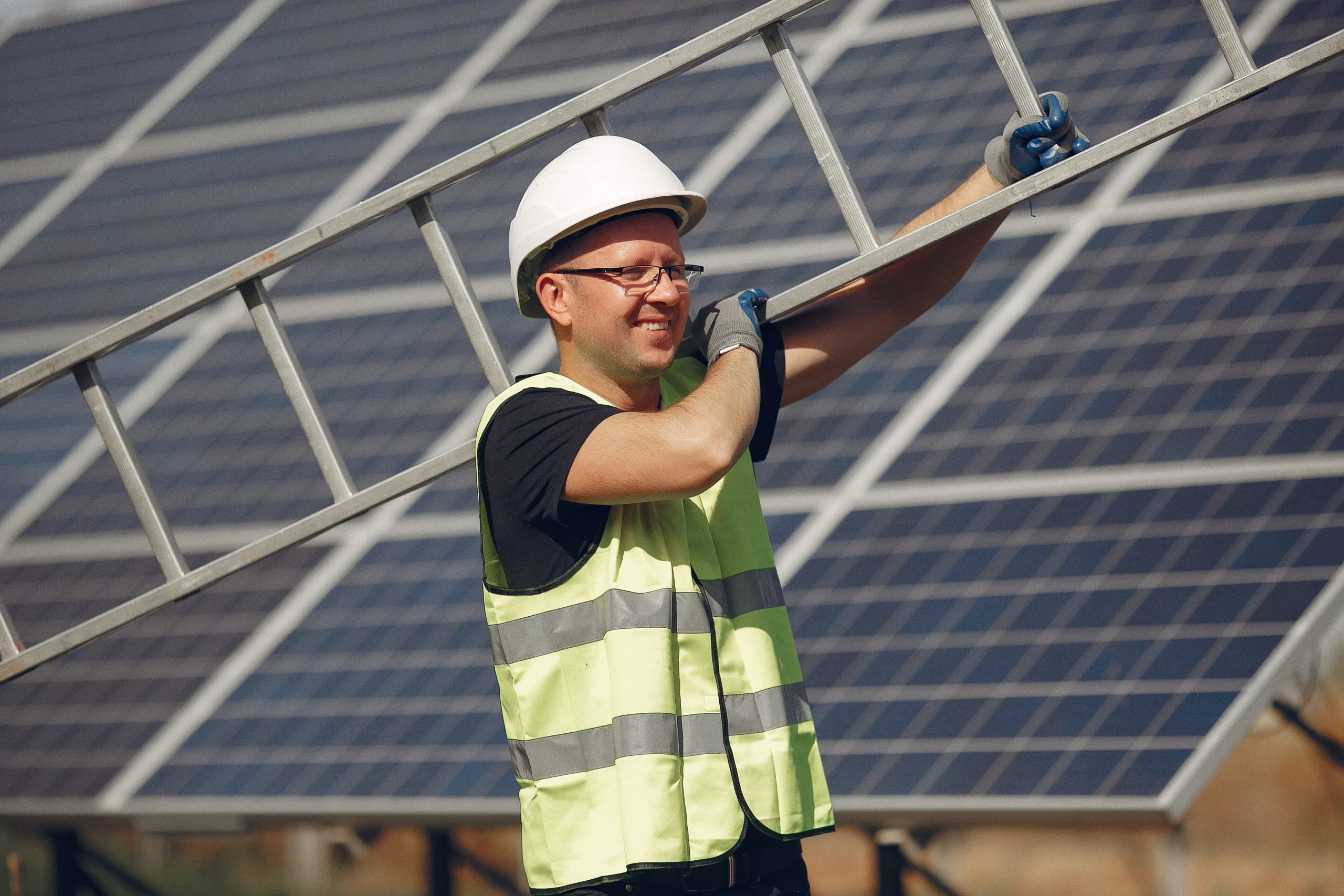
Power costs are rising every year, and most businesses now follow strict sustainability goals. Many companies want to switch to solar, but the process can feel confusing, especially when different vendors handle design, equipment, and installation separately. This often leads to delays, extra costs, and plants that do not perform as expected.
This is where the Solar EPC model helps. Under this approach, one expert partner manages everything from engineering and design to procurement, construction, and handover. It gives businesses a smooth and predictable experience with one accountable team.
Today, many companies work with experienced solar EPC contractors in Mumbai and other major cities to move quickly from the planning stage to a working solar plant. Even complex rooftop projects become easier when handled by a skilled rooftop solar installation company that understands local rules and site conditions.
What Is Solar EPC? A Simple, Business-Friendly Definition
Solar EPC means Engineering, Procurement, and Construction. It is a project delivery model where one contractor is responsible for the full solar project. This includes site study, design, equipment selection, installation, testing, and commissioning.
Everything a business needs to set up a solar power system is covered under one contract. This includes civil work, electrical work, structural layouts, wiring, safety systems, and final connection to the grid.
Many solar EPC contractors in India now handle a wide range of projects, from large ground-mounted plants to commercial and industrial rooftops. Instead of dealing with separate designers, suppliers, and installation teams, a business gets one unified partner who takes care of all the details.
Solar EPC vs Other Delivery Models
Traditionally, some companies followed the design bid build approach. One firm made the design, another supplier sold the equipment, and a different contractor handled construction. With so many parties involved, coordination often became slow and confusing. Small design mistakes could show up much later during installation. This created disputes, delays, and unnecessary costs.
The EPC model is much smoother. One entity plans, procures, builds, and commissions the plant. There is a single point of responsibility for timelines, costs, and performance. Decision-making becomes faster and transparent.
For Indian businesses, this difference is very practical. There are fewer arguments about who is responsible when the generation is low. Work moves faster because no one waits for another contractor to respond. Design and procurement also become more aligned since the same team handles both.
This is why many CXOs prefer choosing expert solar EPC contractors in Mumbai or any major industrial hub when they want a partner who can deliver the complete project with minimal effort from their own team.
Inside the EPC Lifecycle: Engineering, Procurement, Construction and Commissioning
Engineering: Designing a High-Performance, Compliant System
The EPC process begins with engineering. The contractor studies the site, checks solar resources, and analyses power usage to size the system correctly. This ensures the plant matches the actual energy needs of the business.
Engineering includes detailed layouts, electrical design, cable sizing, string plans, and planning the mounting structure for either rooftops or ground areas. The contractor also handles all regulatory work, such as safety documents, permissions, and grid-interaction studies.
For rooftop projects, engineers check the roof strength, waterproofing, shading, and safe access for workers. This is where a skilled rooftop solar installation company adds strong value because it understands the challenges of working on limited or uneven roof spaces.
Procurement: Choosing the Right Components at the Right Price
Procurement means selecting and buying all key components such as solar panels, inverters, structures, cables, protection systems, and monitoring tools.
A good EPC contractor studies each component carefully. They compare technical performance, warranties, and long-term reliability. Established contractors have strong vendor networks and can source Tier-1 modules and trusted inverters at better prices. Leading solar EPC contractors in India also use their scale to secure faster deliveries and avoid supply-related delays.
Construction and Commissioning: Turning the Design Into a Working Plant
Construction covers all on-site work. This includes site preparation, structure installation, module mounting, wiring, earthing, inverter setup, and integration with the existing electrical system. Safety and quality checks continue at every step so that there are no issues like loose connections or hotspots later.
Commissioning is the final stage. The contractor tests the plant, verifies performance, connects it to the grid, and trains the client’s team. Experienced EPC contractors, especially solar EPC contractors in Mumbai, know how to plan construction in tight urban spaces without disrupting ongoing business operations.
Business Benefits of Choosing the EPC Model
The biggest advantage of the EPC model is single-point accountability. One partner handles everything. This gives clear ownership of quality, timelines, and energy generation.
EPC contracts also help control cost and time. Many projects follow fixed pricing or clearly defined scopes, making it easier for businesses to plan budgets. Since the same team handles design, procurement, and installation, the project usually moves faster.
Technical optimisation is another key benefit. When design and procurement work together, component selection becomes far more accurate. The result is better performance and higher generation.
Another advantage is regulatory comfort. Working with solar EPC contractors in Mumbai or any regional expert makes approvals easier because they already understand state policies, safety norms, and grid requirements.
For many organisations, these combined benefits make the EPC model the most convenient approach for both ground-mounted and rooftop systems.
Key Challenges in Solar EPC Projects and How the Right Partner Helps
Solar projects often face space and environmental challenges. Limited roof area, shading, structural limits, or the need for environmental approvals can slow progress. A capable EPC partner studies these factors early and designs smart solutions.
Technology and supply chains also change fast. Module availability, inverter prices, and new technologies can affect project outcomes. Strong EPC companies work with multiple suppliers and choose components with strong warranties and reliable support.
Quality and safety are always important. Without strict checks, solar plants may underperform. Reputable solar EPC contractors in India follow clear quality standards, work with trained teams, and follow safety protocols throughout the project.
Choosing the right partner helps businesses avoid these risks and ensures stable performance over the long term.
How to Choose the Right Solar EPC Partner
When choosing an EPC partner, decision-makers should check a few important things:
- Look for relevant experience. Has the partner done similar project sizes before industrial, commercial, or rooftop?
- In-house engineering and project management capacity. Can they handle design, procurement, and construction under one roof?
- Ability to deliver both ground-mounted and rooftop systems. If you are considering a rooftop project, make sure the team is experienced a good rooftop solar installation company will understand special challenges like roof strength, shading, and access.
- Transparency in proposals. The partner should clearly specify design assumptions, components (brands, model numbers), warranties, and operation & maintenance terms.
- Quality and safety standards. Make sure they follow proper protocols, use certified materials, and guarantee inspections and testing.
- Long-term service commitment. Solar plants run for decades. It helps to have a partner who can support maintenance, performance monitoring, and future upgrades.
When you search for and compare solar EPC contractors in India, or shortlist solar EPC contractors in Mumbai, focus on long-term value not just the initial cost. A slightly higher upfront cost may pay off with better performance, lower risk, and smoother operations.
Why EnergySPOC Stands Out for Your Solar EPC Needs
At EnergySPOC, we manage your solar project from start to finish. We handle engineering design, procurement, installation, grid approvals, and after-sales support, so you work with one team instead of coordinating multiple vendors.
We have strong experience with industrial, commercial, and rooftop projects, and our team understands local regulations, safety needs, and site constraints across India. Our proposals are transparent, our components are certified, and our long-term support helps ensure reliable generation for decades.
If you want a predictable and professionally managed solar journey, we are here to support you at every step. Connect with us to explore your site and build a clear, customised solar plan.